
Written by Sarah Burhouse, Caitlin Jamison, Bethany Palumbo & Vicky Ward. Compiled by Jennifer Gallichan, Vertebrate Curator, Amgueddfa Cymru – Museum Wales.
Those of us that that are lucky enough to work with natural science collections will be familiar with the question ‘How do you get a job in a museum’? At a time when cuts to the sector mean that museum jobs seem even fewer and farther between, I felt it was important that we share some of our combined experiences to hopefully give some tips (and hope) for emerging museum professionals.
I reached out to colleagues across the sector to get their ‘origin’ stories and see if they had any advice for those seeking a museum job working with collections. Many thanks to Sarah, Caitlin, Bethany and Vicky for sharing your stories with us.
Sarah Burhouse, Curator of Natural Sciences, Leeds Museums.
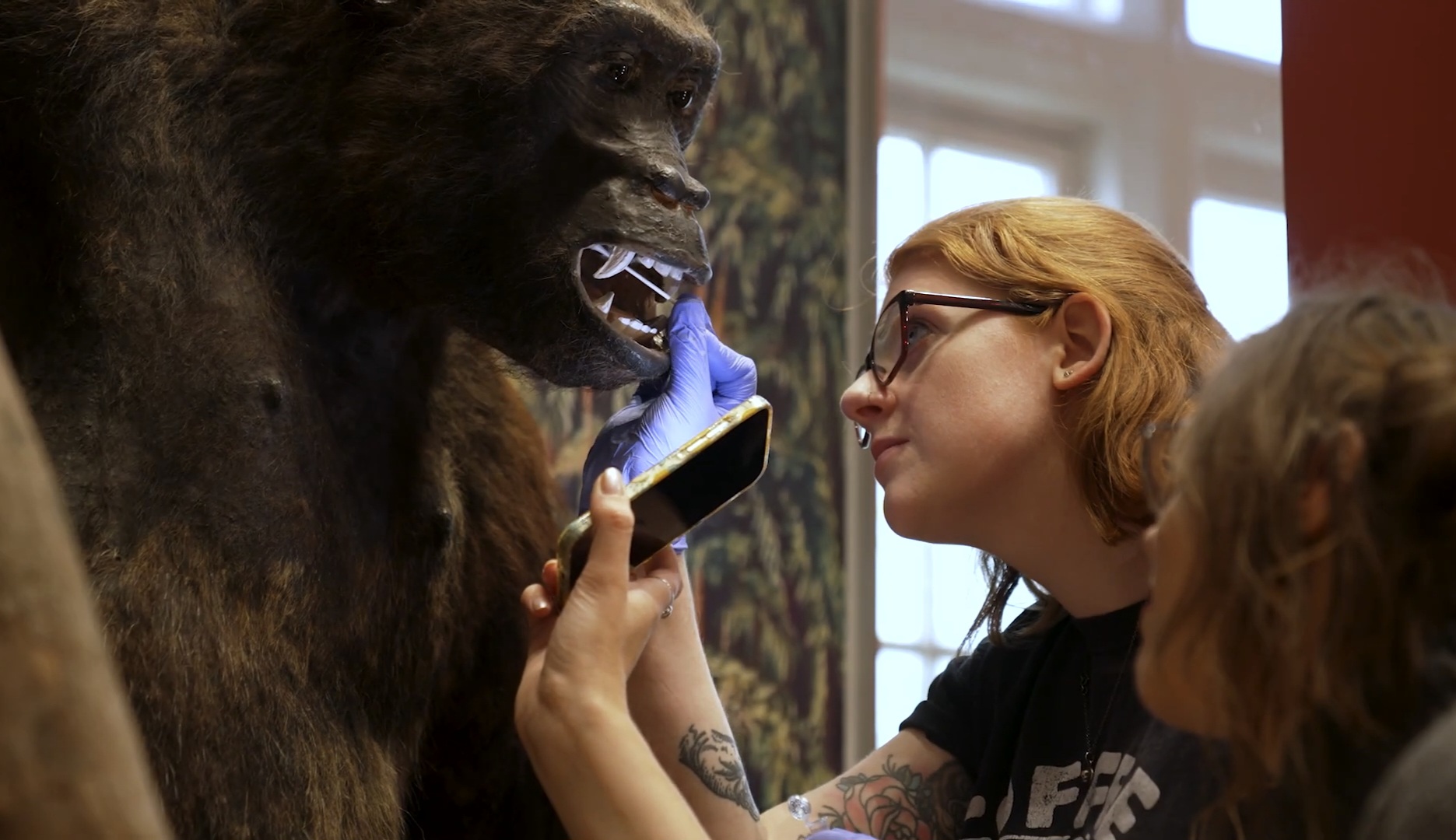
Having graduated from my Zoology BSc with a newfound obsession for taxidermy, I spent all my free time practicing the craft between working as a landscaper. The flexibility of being self-employed put me in a great position to develop my skills as a taxidermist, while being available for potential museum opportunities. Such an opportunity came up when Nottingham’s Natural History Museum at Wollaton Hall announced a voluntary training programme in taxidermy restoration. This was my ‘in’!
Taking evening and weekend shift work as a delivery driver meant I could be available two days a week to volunteer. When the freelance taxidermist retired, I was the obvious/easy choice to continue his work on the collection and so the team at Wollaton started to contract me for odd jobs. While volunteering I’d developed a relationship with Nottingham’s education loans service and so they started to set me on for occasional jobs too.
Swapping landscaping for employment as a Visitor Assistant, I took any opportunity to gain more experience, i.e. doing social history tours despite this not being my interest area. As this position was part-time, I was able to continue looking for work elsewhere. Leeds Museums took me on as a project placement, documenting their egg collection. This was a step in the right direction! Up until then my experience was just in collections handling and lacking in documentation.
Following the project placement I continued to work my way up at Wollaton Hall, becoming an operations manager. This being part-time enabled me to take on any contracted work on the collection, so when the museum redevelopment began, I was in the best position to be on the team as a freelancer. During the redevelopment I involved myself wherever possible. Attending design meetings and working closely with curators on things like object selection helped me gain valuable experience in gallery design and exhibition install.
Becoming full-time self-employed meant I could manage my time to be available for each phase of the redevelopment and continue to grow my business as a taxidermist. I began offering taxidermy courses and services in engagement and training for museums and universities, giving me experience working with a range of audiences and collections. After four years of running my business full-time the dream job opportunity arose at Leeds Museums, Curator of Natural Science.
The key to taking a vocational route into museum work is to make yourself available in case opportunities arise. Part-time shifts or self-employed work gives you this flexibility. Volunteer as much as possible, even if the subject area isn’t exactly where you want to be. The experience gained and keeping present within museums puts you in good stead for any opportunities that arise.
Caitlin Jamison, Museum Collection Technician – Natural History, Montrose Museum (ANGUSalive), & Care & Conservation Officer at Aberdeen Art Gallery and Museums.
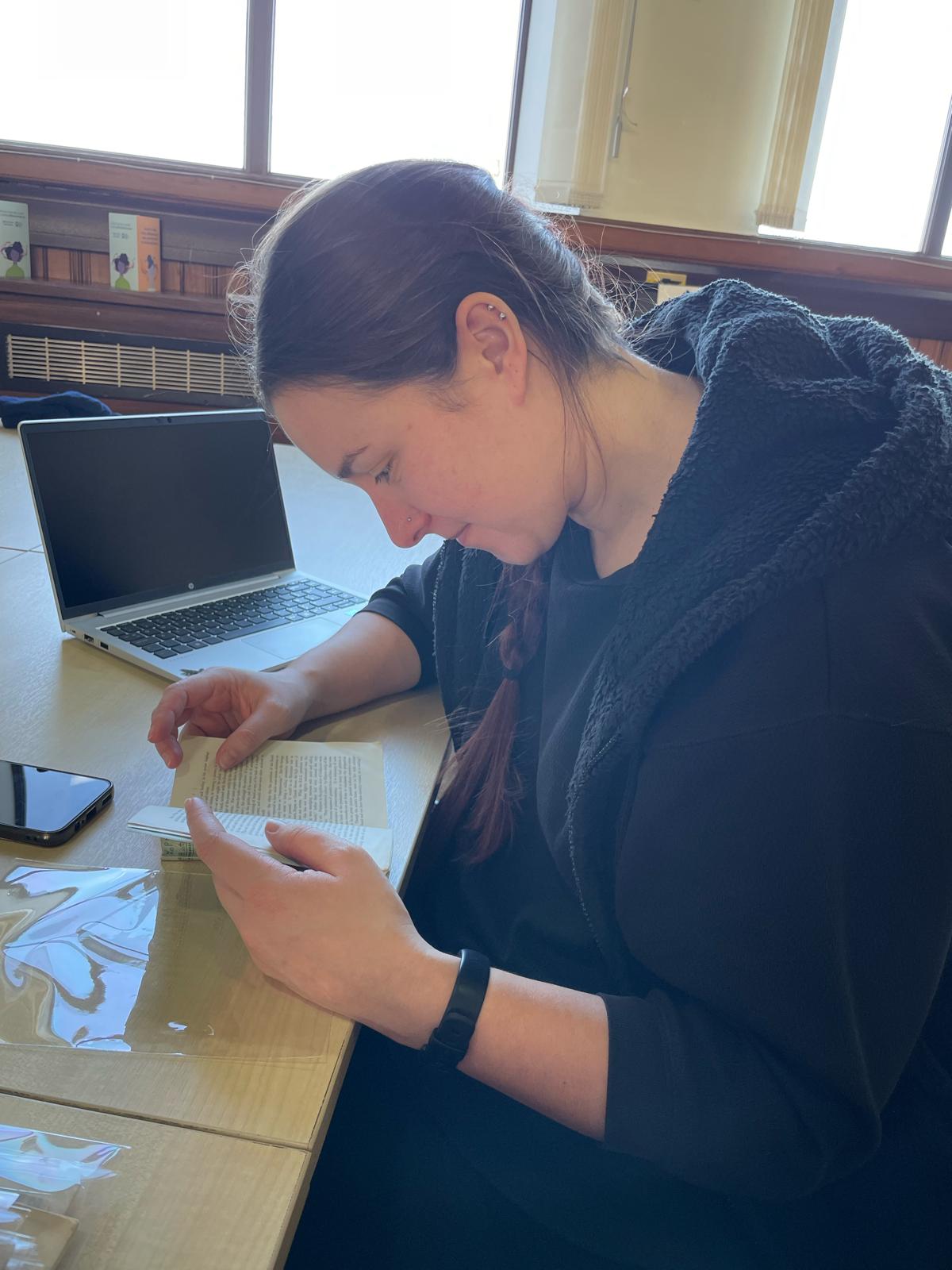
At the library doing some archival research
Getting a job (any job!) in the museum sector is tough. Qualifications are high, pay is generally low, and you may be required to perform duties that were not listed in the person specification (goat wrangling anyone? – more on that later). Why do we put up with it then? For me, I couldn’t imagine doing anything else – I love museums, art galleries and heritage sites and I am happiest working away in a storeroom with thousands of museum objects, cataloguing and conserving. Of course, I have off days, but I never share my friends’ sentiment of ‘I hate my job’.
My best advice is that all academic and professional experience has value, even if you can’t quite see it yet. My background is in art history and modern European languages, and my first museum job was as a guide in a cold-war nuclear fallout shelter. The skills I gained there in visitor engagement and exhibition interpretation allowed me to gain a job in an historic house, where I could get hands-on with collections for the first time (I was also required to feed and water the resident goats twice a day which my employers failed to mention!). From there, I moved onto a prestigious, world-renowned heritage site in a managerial role and then went back to university to get my MLitt in Museum Studies. After some time back in a national heritage organisation, I am now working in conservation at a local authority museum – I used the skills from my previous roles to land my current one (which I love), despite not having any formal conservation qualifications.
I have found that in smaller museums you have the freedom to get involved in many different departments, from curation to events, whilst bigger museums can have better opportunities for advancement and institutional recognition on your CV. The main thing is that it all has value, so you should talk yourself up! Think about how far your transferrable skills can go. In particular, as institutional budgets are squeezed ever tighter, be open to lateral moves or a short-term project that may set you up for something bigger and better in the future even if you don’t know it yet.
-
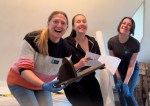
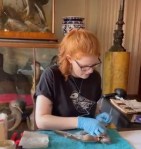
- Working with volunteers doing some collections rationalisation
-
- Screengrab from a short documentary I did about an artist
Bethany Palumbo, Head of Conservation, Natural History Museum – Denmark.
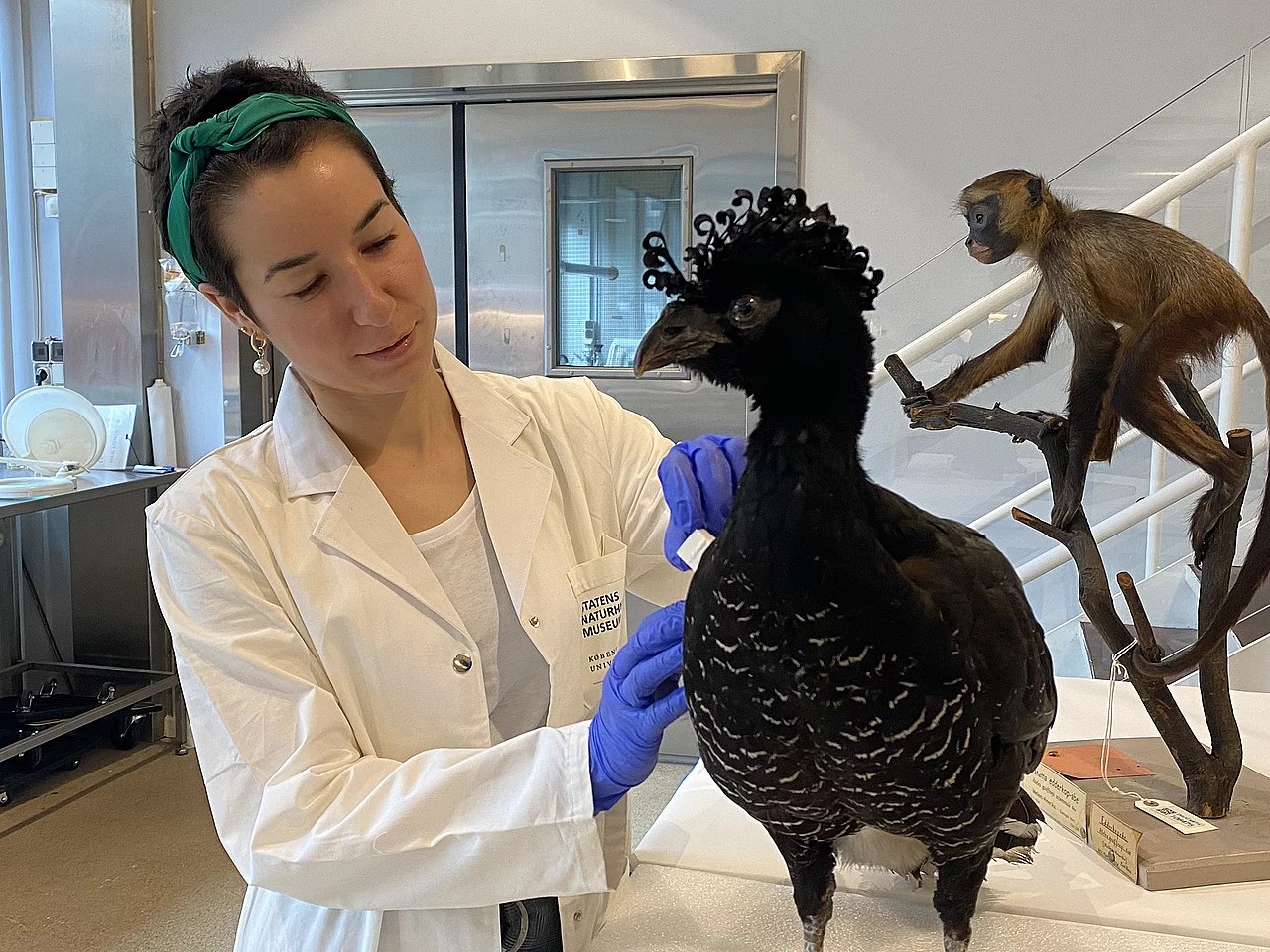
In 2009, I began my studies in Conservation and Restoration, choosing to specialize in natural history collections. My tutors were honest about their limited expertise in this area and encouraged me to seek an internship with a conservator who specialized in it. That mentorship introduced me to NatSCA and SPNHC, and actively networking within these communities opened up the professional opportunities that have shaped my career.
I also strongly recommend looking beyond the UK for work opportunities. There are numerous positions advertised in the US, Europe, and the Middle East, often with salaries that far exceed those in the UK sector. If you have the chance to work abroad—even for just a year or two—take it. International experience builds adaptability, cultural awareness, and fosters both personal and professional growth and independence. As a hiring manager, I can say that candidates with overseas experience already stand out as exceptionally strong contenders.
Vicky Ward, Curator & Teaching Support Technician, School of Geography, Geology and the Environment, University of Leicester.
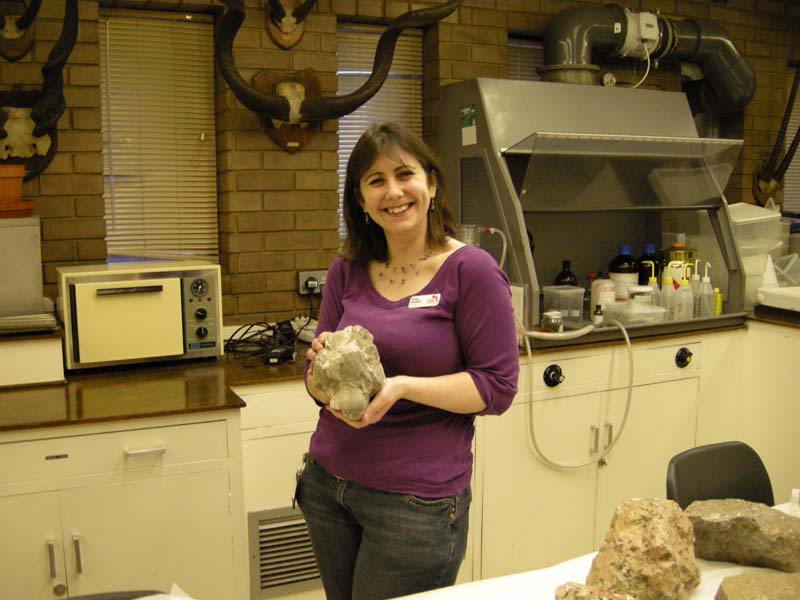
A much younger, and perhaps less cynical me, working at The Potteries Museum & Art Gallery c.2008ish
My way of getting into the sector? What was my journey? – I sort of fell into it. I was, and am, very lucky to have found a job I love. I did my first degree in Geology and Educational Studies, with the view of being a Geology teacher; hence then going on to do a two-year PGCE after my Batchelor’s.
Teaching in secondary schools wasn’t for me, for many varied reasons. I didn’t take up a full-time teaching post after graduating, which meant I never obtained my QTS, and I tried substitute teaching for a while… hated that too, and ran off to work in a bookshop, which I loved, but the pay wasn’t great. As I ended up moving out of the area, I couldn’t afford to travel in on that wage and therefore had to leave. I went back into substitute teaching but went more for teaching assistant roles in primary schools. Sort of got a job, but not enough hours, or money.
It was at an evening meeting of a local geologists’ association group (NSGGA), which I was a member of at the time, that I heard about a job opportunity at the local museum. So, I enquired about it, after hunting through the job ads in the newspaper. Turns out that it was a 2-year, paid, stewardship traineeship, that required someone with a geology background to be trained as a Curator, as there was a recognised lack of specialist curators in the West Midlands region, for geology.
The post also came with a funded MA in Heritage Management degree (thanks muchly). There was me then, foot in the door, finding that actually this was totally for me. I worked across the West Midlands for nearly six years. I loved working with collections, and fellow people who work with, and have an interest in collections. Still do.
When the advert for my current job came up, I felt that I had to apply for it. Not only did I meet all the essential criteria for the role, but also all of the additional ‘desirable’ bullet points too. Rarely does that happen for me, as, believe it or not, I am not the most confident person in selling my strengths for a job.
I’ve been lucky enough to hold my current role for the last 14 years. Being where I am, in a university environment, I sometimes feel a little outside of the sector, but I strive to keep my enthusiasm (and professionalism?), through membership to various groups including MDM, GCG, NatSCA, DiSSCo UK etc. Having that opportunity, daily, to discover so many cool things in boxes that may not have been opened for many years and working out how to get them seen by staff, students or researchers, still gives me a buzz.
I’ve had students ask me how to get into being a curator. I’ve advised going down the volunteering route within a museum or heritage organisation; looking for intern or traineeship posts; take a relevant degree (post Batchelors ideally); signing up to job alerts; ensuring your CV and supporting statement is up to date (mine totally isn’t), having them ready to tweak before sending off; being members of local specialist groups; and joining NatSCA and GCG (if you’re into Natural Sciences, of course), for the fabulous community, wealth of knowledge, and expertise that you can tap into – though in truth, I’m not quite sure what the right answer is !
The profession is filled with like-minded people who are passionate about the collections they have in their care; corporate stuff isn’t always easy to navigate, and can cause frustrations, but I’ve found there’s always hope and help there. Top tip? Be tenacious in pursuing the job, it will come.
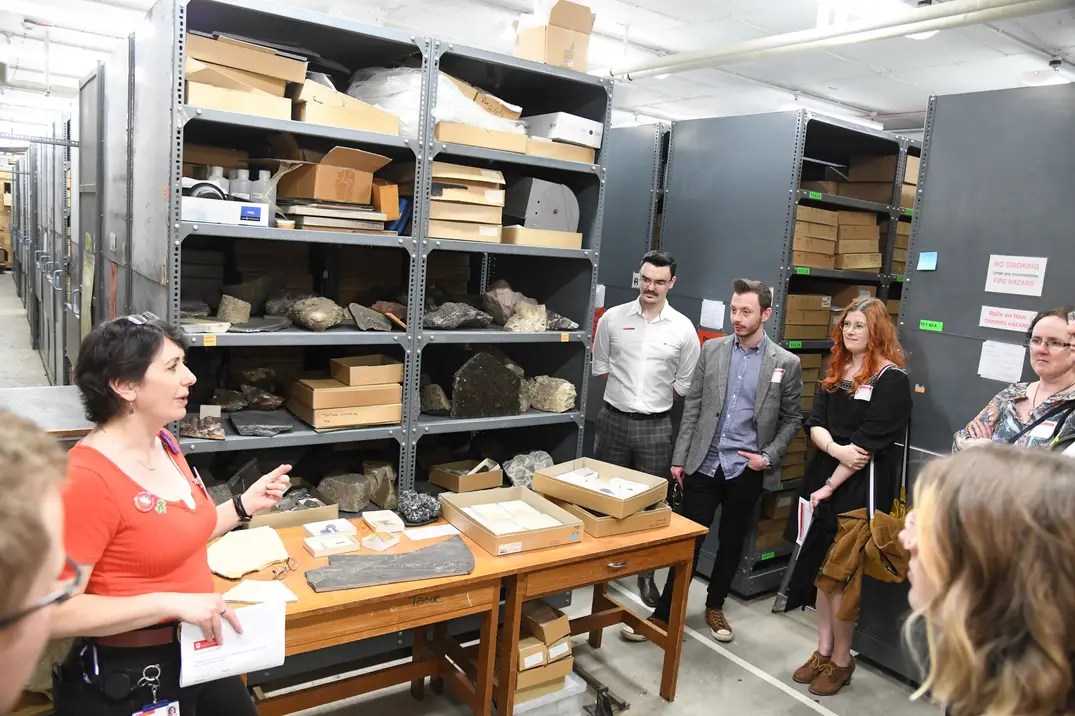
Chatting with University of Leicester alumni in stores, as part of opening up behind the scenes, for our SGGE Centenary Celebrations, May 2023

 NatSCA
Pingback: NatSCA Digital Digest – November 2025 | NatSCA
Pingback: Top NatSCA Blogs of 2025 | NatSCA