Why not apply for our £2000 Bill Pettit fund?

NatSCA is pleased to invite applications to this year’s Bill Pettit Memorial Award. Up to £2,000 of grant money, is available to NatSCA members this year to support projects including the conservation, access and use of natural science collections.

If you’re not a member, just join us then submit your application!

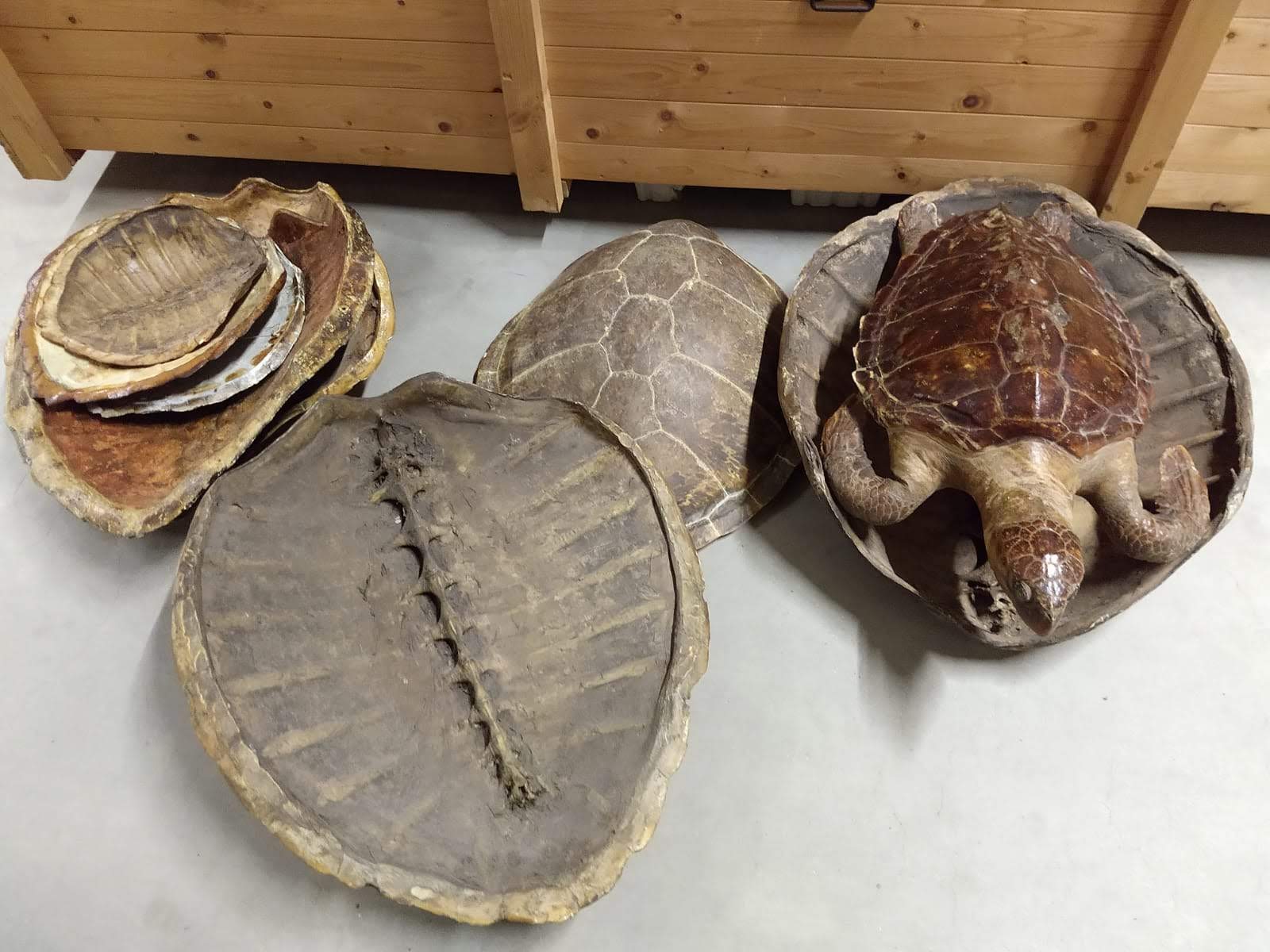
(c) Richard Ross, Museum National D'Histoire Naturelle, Paris, France 1982 2-1

(c) Richard Ross, Museum National D’Histoire Naturelle, Paris, France 1982 2-1

Charles Arthur William ‘Bill’ Pettit (1937-2009) started his career with the National Institute of Oceanography but moved to the Manchester Museum in 1975 to become Assistant Keeper of Zoology. In his time at Manchester, Bill worked tirelessly for the collections and was instrumental in projects such as FENSCORE as well as numerous publications. It is in recognition of his commitment to natural science collections that we would like to offer this annual award.

Each project will be considered on its own merits by the NatSCA committee and the committee’s decision, including not awarding any money that year, will be final. To apply please put together a 700 word project proposal, which must include:

• The name, contact details and status (e.g. charity, individual, local authority) of the applicant
• The project title and proposed outcomes and benefits
• How the project supports conservation, or access to and use of Natural Science collections
• Detailed costs
• Accurate timescale (including any work undertaken so far and the project end date)
• Details of other funding/match funding already secured for the project

Grants will be considered on an annual basis in January.

Deadline for 2017 applications: Friday 17th November

Successful applicants are required to produce a report/article on their project for publication in either NatSCA Notes & Comments or the Journal of Natural Science Collections before payment.

Applications are open to NatSCA individual or institutional members only.

Please contact David Gelsthorpe (david.gelsthorpe@manchester.ac.uk, 0161 3061601) for further information or to submit a grant application.

NatSCA Digital Digest – August

ndd-chinasaurs2

What Should I Read?

I encourage you to read Darren Naish‘s recent post on the “Mountain Beaver”, an unusual rodent which is not a member of the beaver family, nor is it mountain-dwelling. The article also goes into other members of the aplodontoidea so, if you like horned extinct cousins of the squirrel (of course you do), it’s well worth a read.

Why do all the beautiful things crack? Paintings by old masters, antique furniture, … and historical taxidermy. The Grant Museum has been running a project where they take their important taxidermy specimens in for essential conservation work and place stuffed toys on display in their place. A chance to see Jack Ashby‘s favourite teddy? You’d be crazy not to. For an example of the beautiful restoration work carried out by Lucie Mascord, check out this piece on the Owl Formerly Known as Googly-eyed.

What Should I Do?

What are you doing on the 22nd September? Keep it free if you can because we have a great workshop event coming up called Bringing the Dead to Life: How to Display Museum Natural Science. Among other things, you will hear testimonies from the Lapworth Museum, who were recently shortlisted for Museum of the Year.

Continue reading

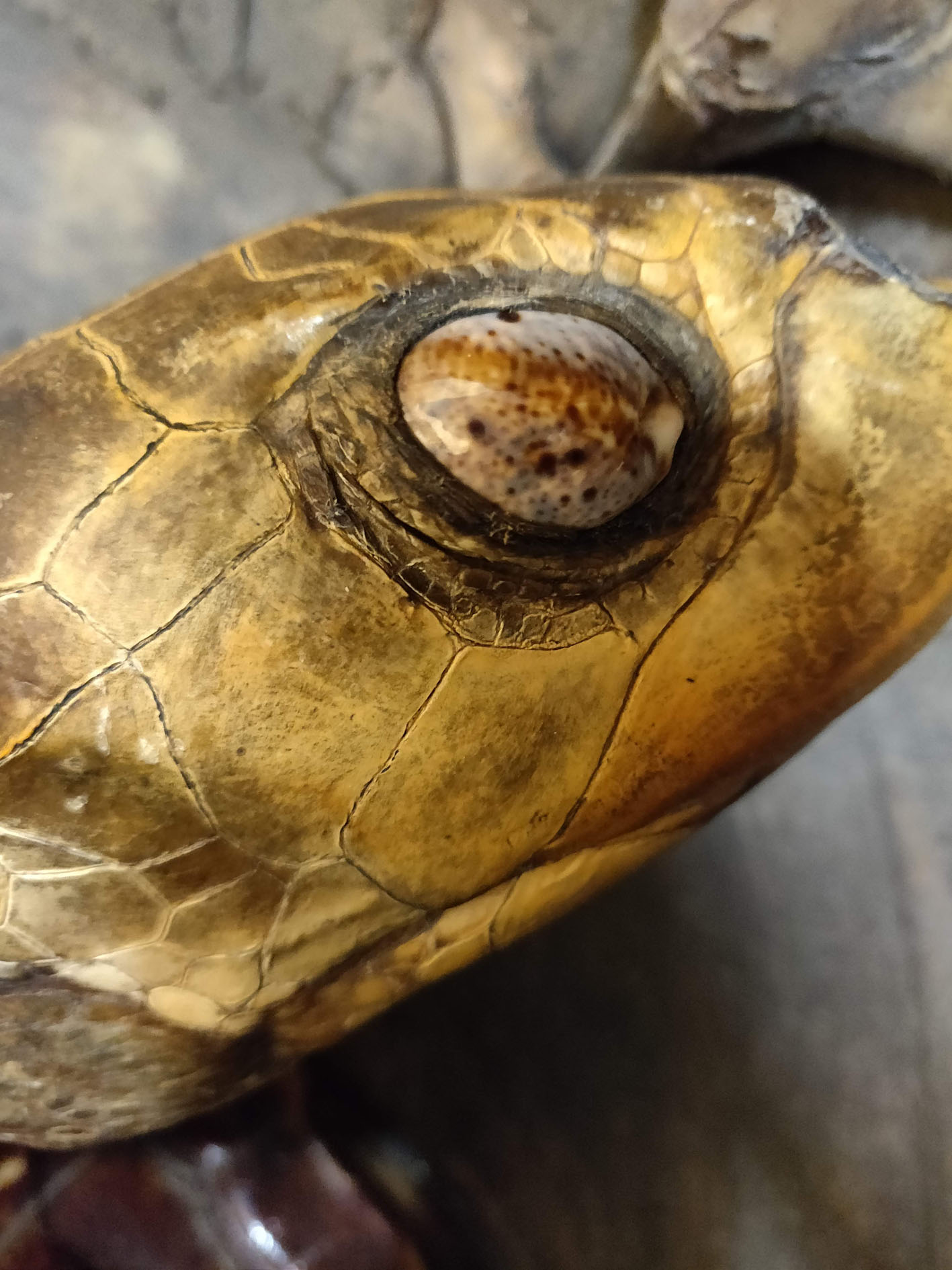
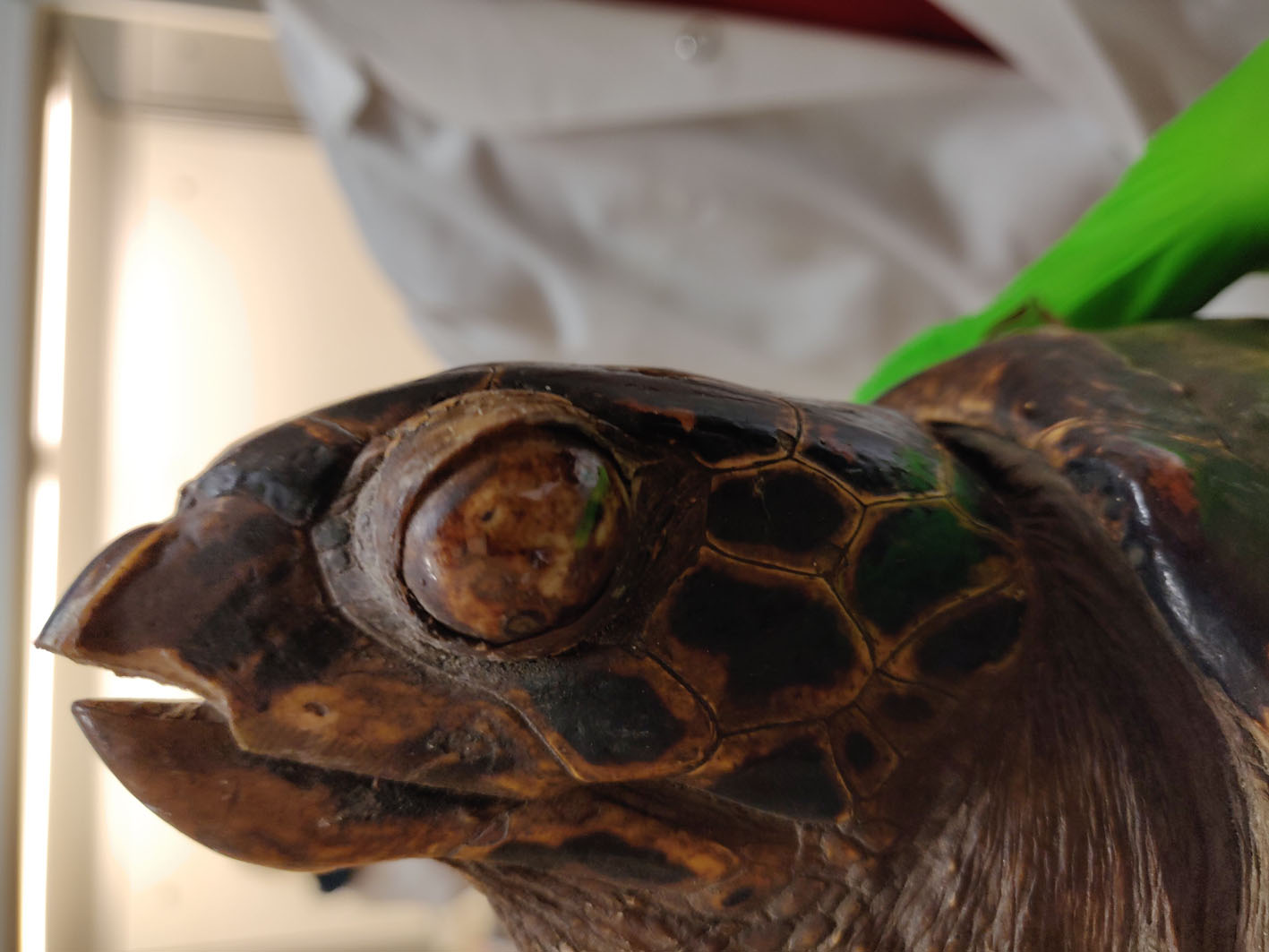
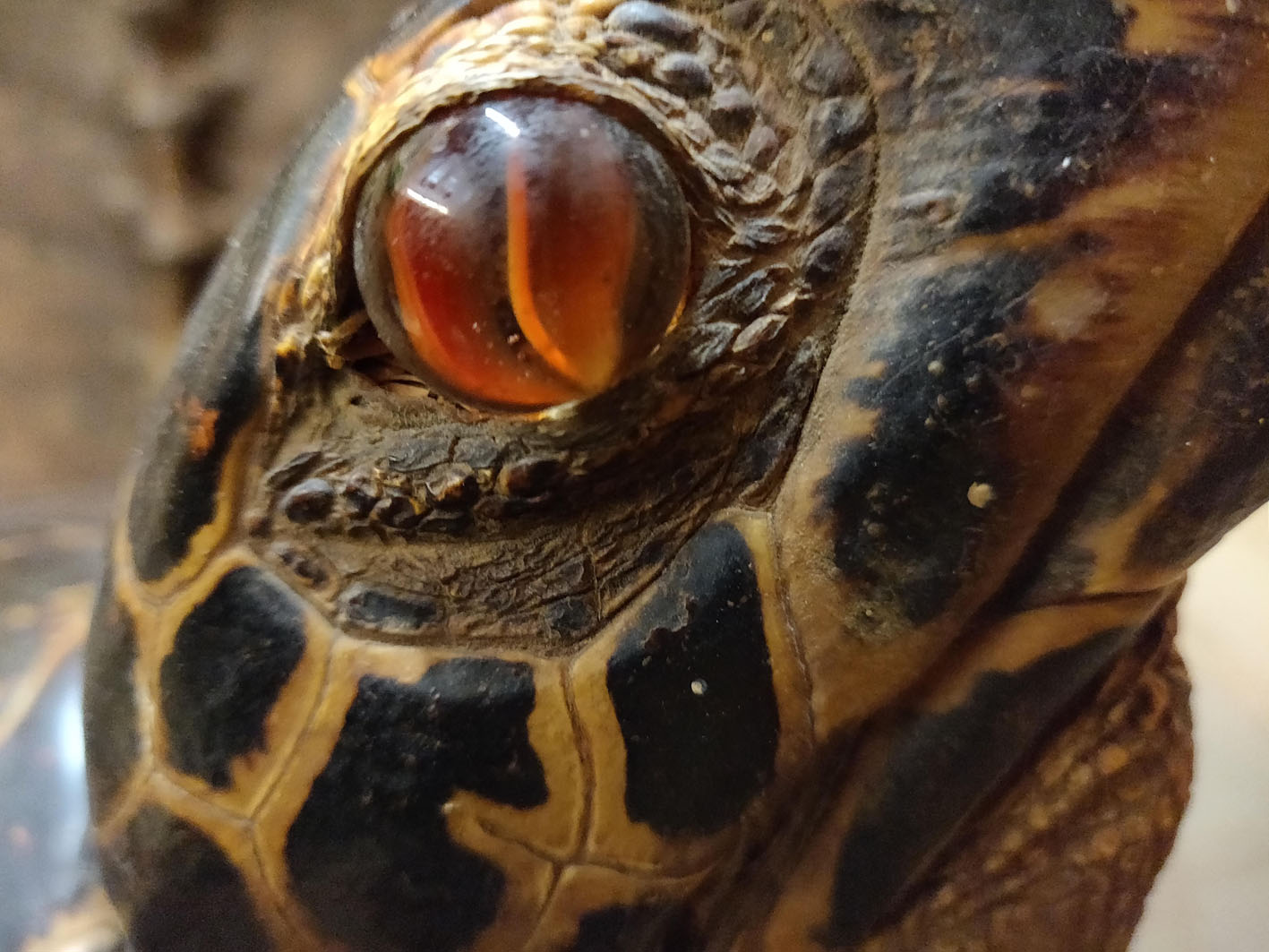
Portrait of a Sensitive, Armoured Snout

Unraveling an ancient mystery

Picturing the world of the prehistoric is often likened to a jigsaw puzzle: one in which each new piece starts a whole new puzzle. Your pieces are scattered across all the museum stores in the world or weathering out of the ground. The quality is variable and some of the pieces are warped. In some cases we get lucky and find an immaculately preserved specimen, like the ones being uncovered in China, with evidence of soft tissue still preserved. In other cases, we must rely on osteological correlates in living animals to work out what’s going on.

Palaeontologist Mark Witton recently wrote a post about a group of predatory dinosaurs called abelisaurs. These animals have a rough, cornified texture to their skulls. Living animals with a comparable bone texture usually have hardened, reinforced skin. Hippopotamus faces regularly endure blows from rival hippo teeth and, while scarring occurs, lasting damage is usually avoided. Some theropod dinosaurs* show bite scars on their faces which suggest that something similar was happening with these too. Hardened, armoured skin would be very useful here. However…

IMG_4521

Continue reading

Curators of the Caribbean part II: Following in Dr A Broughton’s Footsteps

We started our first day of plant collecting early on the 28th September. Armed with data relating to the specimens collected by Broughton and the localities, we took a team of botanists with us into searing heat and high humidity to the top of a mountain and were very fortunate not to get into danger as there is plenty in the scrub. Land is reclaimed illegally for growing marijuana and producing charcoal so we had to be careful and often dogs are used to keep people away. This also meant that the habitat is much changed and so finding the necessary specimens to bring back was not always possible but we did manage to find some corresponding records.

fullsizerender

From left to right Dr Philip Rose, Patrick Lewis, Vicky Purewal, Rhian Rowson, Keron Campbell and Patrick Plummer (machete wielder, which was useful for cutting paths through the vegetation).

Prior to our expedition, Keron Campbell, botanist at the Natural History Museum of Jamaica drove us to the University of the West Indies. We met with Patrick Lewis the herbarium curator and Dr Phillip Rose, the botanical lecturer at the University. We were later joined by Patrick Plumber, the University technician. We visited the collection and learnt about the flora of Jamaica which consists of c.2,700 specimens of flowering plants and 600 ferns. The herbarium had mainly been collected in the late 1800s by renowned Irish botanist William H Harris (1860-1920) who was the former superintendent of gardens and plantations in Jamaica. He discovered a large number of species new to science. We were impressed that the 36,000 specimens were well cared for, re-mounted onto archival card and all strapped and not adhered with PVA, a practice the Jamaican botanists were not in favour of.img_1919

One of the first specimens we saw when entering the University was this one. Not such an impressive image I’m afraid but great to see. Patrick Lewis grew this specimen 4 years ago and it is yet to flower, but it is the endemic  Broughtonia sanguinea R.Br. This is the orchid believed to have been named after our own intrepid Dr Arthur Broughton. The R.Br. refers to the authority that named this specimen and this was Robert Brown, the very man responsible for Brownian motion and the scientific use of microscopes. Worryingly he has been quoted as referring to Broughton as a fellow Scot, however we know Broughton to have been brought up in England, and his father the Reverend Thomas Broughton moved to the parish of Bedminster, Bristol in 1744. His 5 siblings were English, but Broughton did study medicine in Edinburgh, so this could be the reason…we have gained a few more leads since being out here in Jamaica but our search for more information continues …

NatSCA Digital Digest

frankie-ndd


Welcome to the August 2016 edition of the NatSCA Digital Digest: an oasis of calm in a raging tempest of olympics, Trump, brexit, austerity, and celebrity deaths.

News from the Blogospbere

Hannah Cornish has been writing about the often-overlooked gems of the museum collection: the slides. You can read it here.

psyduck-spirit-collection

Image courtesy of the Oxford University Museum of Natural history

So Pokémon Go happened last month: the Smartphone game that has been an unintended boon for the museum world. Several curators have weighed in on the phenomenon; here is Jack Ashby’s take on it.
News from Nature

The organisation which used to call itself “Nature First” has just demonstrated why that name was no good. In a shock announcement last week, Natural England seems to be favouring the lives of human-reared pheasants over the lives of the wild buzzard. We have watched buzzard numbers slowly recover over the past thirty years, it would be dreadful to see all that progress lost now – and even worse if the hunters mistake other struggling raptors (the Hen Harrier, e.g.) for a buzzard. Here is the RSPB’s response.
News from the Museums

I’ve been doing some travelling lately. I visited the Natural History Museum in Doncaster. It’s a small but delightful museum which has struggled through some hard times, as so many have, but makes the most of what it has. Its collections are benefitting greatly from having a specialist curator right now – long may it continue.

A little closer to home: I visited the Natural History Museum’s new Colour and Vision exhibition, which is beautiful despite not mentioning the Tuatara anywhere. The exhibition looks at the evolution of the eye throughout nature and the beautiful ways in which nature tries to catch the visual attention of others. If you’re in the area, I highly recommend it.

trilobite-montage

A montage of Trilobite sensory organs

Announcements

I am delighted to announce that Deputy Keeper of the Horniman Museum, co-blogger, and good friend Emma Louise Nicholls is engaged to be married! I wish her and her fiance every happiness for the future.