
Written by Kanchi Mehta, 2nd year BSc student, Swansea University, whilst on placement at National Museum Cardiff and Swansea Museum.
Born in Swansea in June 1839, the young Mary grew up in a house where she had every freedom. Taught in politics, photography, languages, art and science, young Mary was a smart, outspoken, and opinionated girl. As she grew up, she learnt from her father, Lewis Llewelyn Dillwyn, in the forests and beaches around Swansea. Over the years, she took a particular interest in the biology around her family home and kept that interest throughout her life.
She married in Sketty Church to John Cole Nicholl in 1860. He shared her adoration for the outdoors and over the course of their honeymoon the couple went all over Europe seeing the sights, scaling every mountain they could and documenting it all in their diaries. Mary alone filled roughly six diaries with her thoughts on the nature she saw, the people she met and the languages she learnt all accompanied by her sketches. By the Christmas of 1860, the pair made it home with two puppies in tow, brought for Mary by John, and a baby on the way.
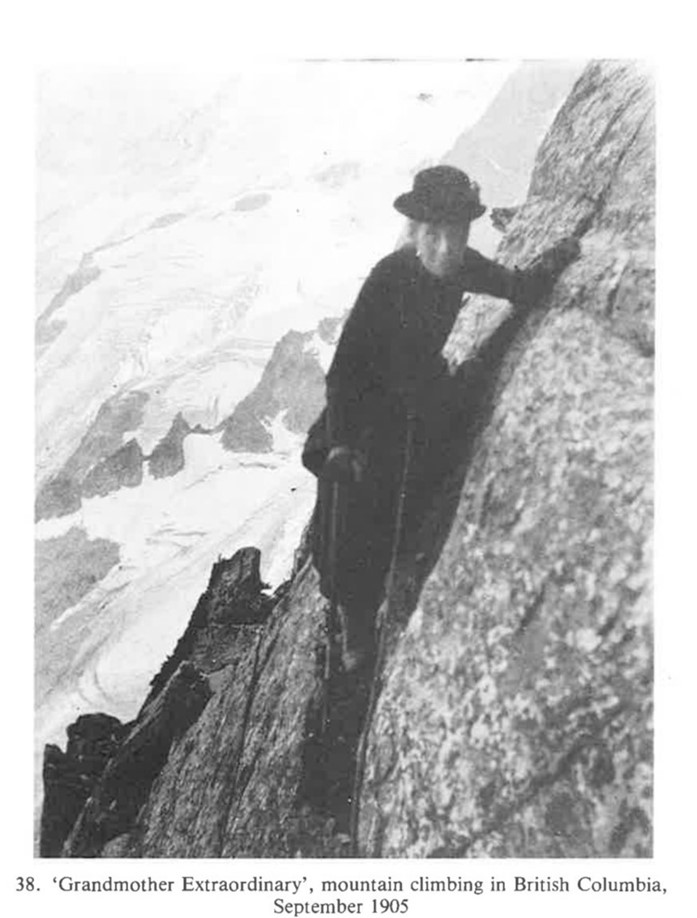
The following years of Mary’s life saw her managing her home in Bridgend, Merthyr Mawr, while her children grew and she enjoyed her hobbies of gardening, hunting, sports, and butterfly keeping. Mary was constantly proving herself to be more than the idea of the gentle gentry Victorian women she was expected to be, even correcting her homes financial problems within a year by buying and running a farm and learning to care for the animals, hands on, along the way.
Part of the family life of the Nicholls was traveling, initially for vacationing but also for the health of her husband, especially in the later years. These trips were refreshing and looked forward to for Mary, who took the opportunities to climb mountains and collect butterflies.
She was known from a young age to be out with her butterfly net in the pursuit of butterflies along the Gower and around Swansea. This childhood fascination grew with her and turned into her scientific collecting and publishing.
Mary’s serious collections started in June 1888 in Bex Switzerland during a family trip as part of her husband’s medical treatment. Until her husband’s death in 1894, all her collecting and mountaineering adventures were determined by those trips and her husband’s health, as he often enjoyed accompanying her when he was able. Once she was a widow, her children where all grown and with families of their own, there was nothing to keep her home, so her collections and excursions took president in her life.
She ventured all over Europe, northern Africa, parts of the US and Canada and even modern-day Sri Lanka collecting butterflies, scaling landscapes, and sending plants back to Wales for her personal garden. She made a point to meet and befriend anyone who had knowledge and interests like hers, from professors to officials, locals and even children who would join the English grandma on her adventures out of curiosity, which she happily obliged. After many adventures Mary became a legend, and after spending many birthdays on mountain peaks, her collecting abroad stopped, and she returned home to become a full-time grandmother who would entertain her grandchildren with walks in nature and tails of her adventures in the wild.
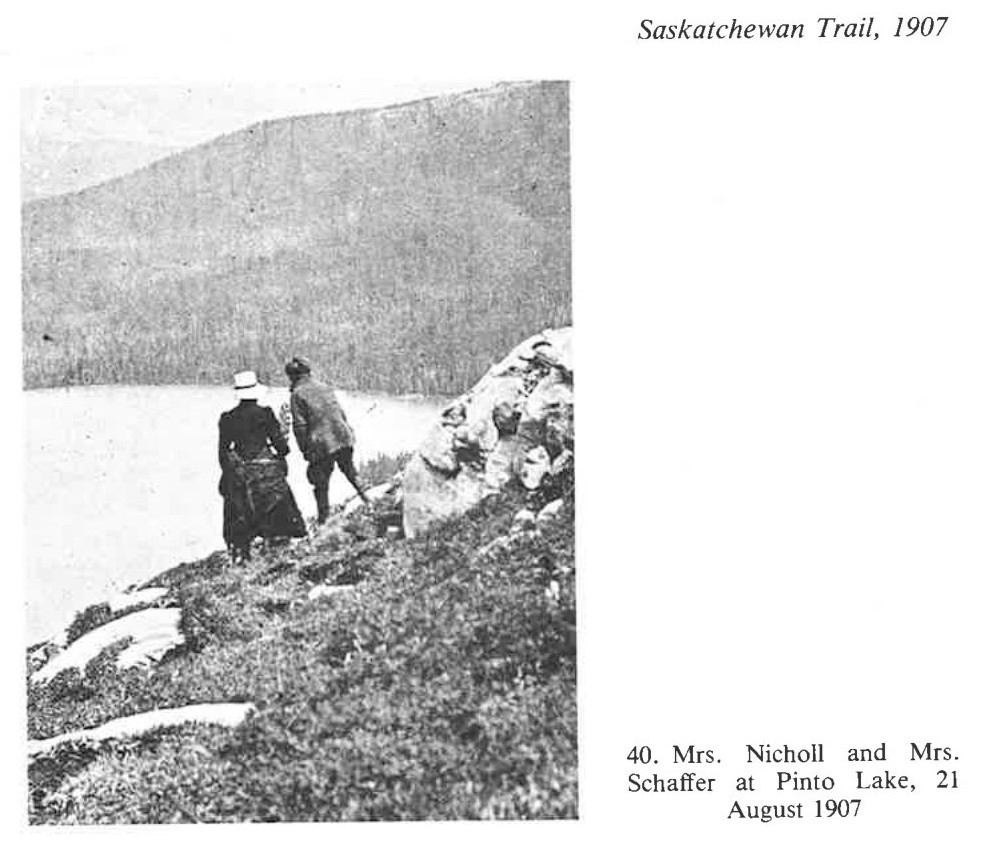
Mary died in Bridgend in 1922 and her butterflies were put in the care of her family. What happened to them after is unclear but eventually part of her collections made their way into Swansea Museum’s natural history collections, where they are cared for today. The collection of over 9000 specimens is currently being digitized through a partnership between Swansea Museum, Amgueddfa Cymru (Museum Wales) Cardiff and Swansea University. Along with the information held in Mary’s detailed publications (in the Entomologist’s Record and Journal of Variation) and the bibliography written based on her journals and diaries (Grandmother Extraordinary by Hilary Margaret Thomas), her collections documentation is thorough. The hope is to provide longevity to the collection and to tell the rich story of the Welsh grandmother who was happiest whilst climbing sheer cliff faces with good company and a butterfly net.
Source: Grandmother Extraordinary: Mary De la Beche Nicholl, 1839-1922 by Hilary Margaret Thomas

 NatSCA
Pingback: NatSCA Digital Digest – August | NatSCA